Anime TCG Merge Battle
Gung ParkCard
4.1172.00 Reviews
- Version
- 1.0.14
- Installs
- 100.00K
- Age Rating
- Everyone
Screenshots
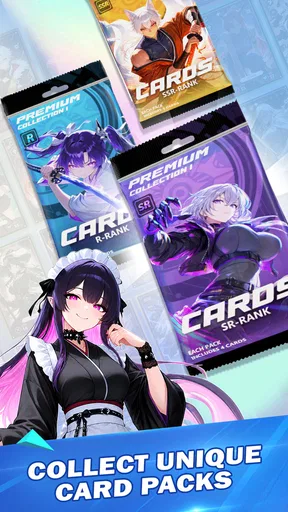
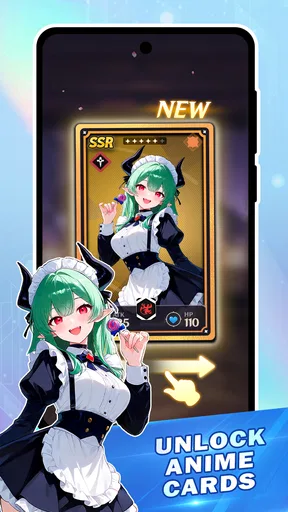
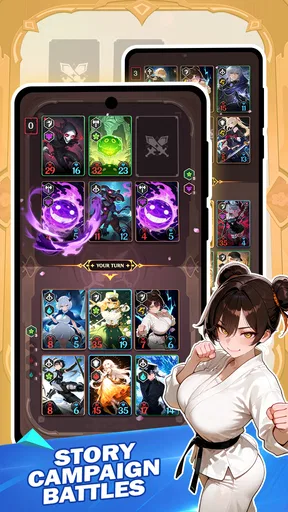
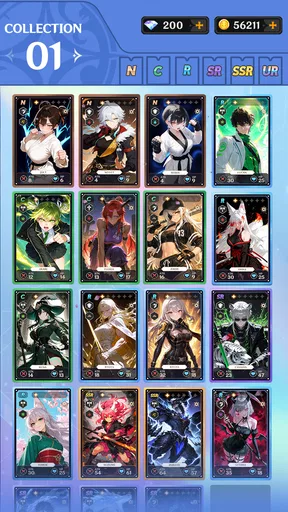
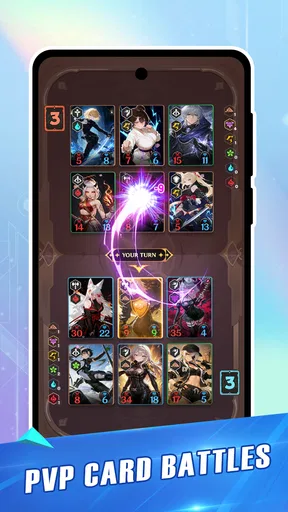
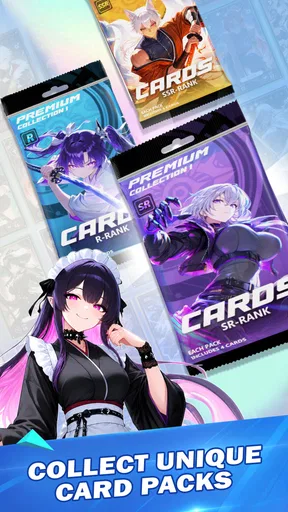
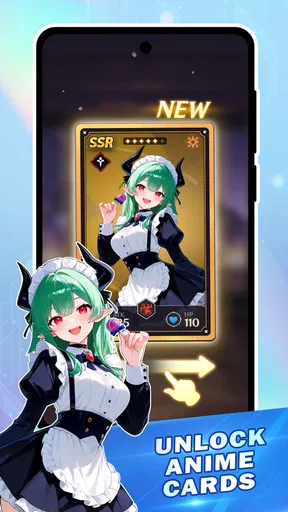
Our Review of Anime TCG Merge Battle
 Analysis by Appyee
I went into Anime TCG Merge Battle expecting a light card game built around collecting familiar anime-style heroes, but its appeal is more specific than that. It is best understood as a compact mix of card collecting, merging, gacha summoning, and battle progression. The central attraction is the feeling of turning a growing pile of cards into a more useful team, then testing that team in short battles. I found that loop easy to understand and pleasant to revisit, especially when I only had a few minutes available.
That simplicity is also the game’s main limitation. It does not seem aimed at players who want a deeply tactical trading-card game with long deck-building sessions and highly complex turn decisions. Instead, it suits people who enjoy visible progress, anime-inspired characters, and the small satisfaction of improving a collection one merge or summon at a time. My overall view is positive, but I would recommend approaching it as a casual progression game rather than as a serious competitive card battler.
How the card, merge, and battle loop feels in practice
The first thing that makes the game approachable is the way its ideas fit together. Cards are not only collectibles to admire; they are part of a progression process. Merging gives duplicate or lower-value pieces a purpose, while summoning adds the excitement of discovering something new. Battles then give that collection a reason to exist. I like this structure because each activity supports the next one instead of feeling like a separate menu added for decoration.
In a typical session, I would check what cards were available, decide whether to improve existing heroes or spend resources on a summon, and then take the resulting team into a battle. That order matters. Spending everything immediately on a random summon can be tempting, but improving a dependable core often feels more useful than chasing a lucky result. The game rewards a player who pauses to consider whether a new card actually improves the current team.
The merge element is particularly useful for reducing the frustration that often comes with duplicate pulls. In a conventional card collector, receiving the same character repeatedly can feel like wasted luck. Here, duplicates can contribute to progression, so even an unexciting result may still move a favorite hero forward. That does not remove the randomness of summoning, but it gives repeated cards a clearer role and makes the collection feel less disposable.
I also found that the game’s strongest moments come from gradual improvement rather than dramatic individual battles. A single summon may be disappointing, while a series of small upgrades can quietly transform a weak team into one that handles the next challenge more comfortably. Players who enjoy watching numbers, card levels, or team strength develop over time will probably understand the appeal quickly.
There is a useful decision hidden inside the simple interface: do I spread improvements across several heroes, or concentrate resources on a smaller group? Building broadly can make the roster feel flexible, but it may leave every character underpowered. Focusing on a core group creates faster visible gains, although it can make the team less adaptable if a battle favors a different setup. I recommend starting with a small dependable group and expanding only after its basic progression feels stable.
That approach is also kinder to limited resources. Rather than treating every new card as an immediate upgrade, I would compare it with the heroes already in use and ask whether it fills a real weakness. A card that looks exciting in isolation may not be worth replacing a well-developed team member. This is one of the more important practical lessons in the game: collection size is not the same thing as team quality.
The anime presentation gives the collection a clear identity. Even without relying on a complicated story, the idea of gathering heroes and building a roster is enough to make each new card feel like part of a larger personal lineup. For me, that makes the game more enjoyable than an abstract merge puzzle because the upgrades have a recognizable target: a team I want to keep improving.
At the same time, I would not describe the experience as a substitute for a traditional tabletop-style TCG. A conventional card game usually places more emphasis on carefully chosen decks, reading an opponent, managing turns, and making tactical plays under pressure. This title leans more toward collection growth and automated or streamlined progression. That makes it easier to pick up, but players seeking intricate manual combat may find the decision-making lighter than expected.
Why the merge system matters more than the store summary suggests
The merge mechanic is not just a decorative extra. It changes how I evaluate rewards. A low-tier card can still be useful if it helps complete an upgrade path, and a duplicate does not automatically mean that the summon was worthless. This creates a more forgiving rhythm than a collection game where only rare new characters matter.
My practical tip is to avoid merging blindly. Before combining cards, I would look at which heroes are actively contributing to the team and which ones might become useful later. Immediate power is attractive, but consuming every spare card as soon as it appears can reduce flexibility. Keeping a modest reserve gives me more room to react when a new battle or summon changes the direction of the roster.
Another useful habit is to separate collection goals from battle goals. I may want a particular hero because the character is appealing, but that does not necessarily make the card the best short-term investment. When I play with those two goals clearly separated, the game feels less frustrating. I can enjoy collecting for its own sake while still making sensible choices about the team used for progression.
Summoning is exciting, but it needs self-control
The gacha element supplies the game’s biggest burst of excitement and its most obvious source of friction. A summon can open a new direction for the roster, but it can also produce something that does not immediately help. The merge system softens that disappointment, yet randomness remains part of the experience.
Because the game is free to play, I would treat summons as an optional source of variety rather than as the only route to enjoyment. The listed in-app purchases range from $0.99 to $199.99 per item, so the spending scale is wide. That makes it especially important to decide on a personal limit before buying anything. I would never recommend spending simply to recover from an unlucky pull; that turns a casual game into an expensive chase very quickly.
For a free player, patience is part of the strategy. I would save resources until I have a clear reason to summon, rather than using them whenever the button becomes available. If the immediate goal is to strengthen a particular team, a merge or upgrade may provide more reliable value than another random attempt. If the goal is discovery and collection, summoning is more satisfying, but I would accept that the result may not fit the current battle plan.
This is also where the game differs from a premium card title. A paid game with a fixed purchase price usually gives the player more certainty about access to its content, while a free gacha-based game trades that certainty for an easier starting point. Anime TCG Merge Battle is more accessible at the door, but its long-term experience requires more awareness of optional spending and random rewards.
Where the experience loses some of its shine
The main weakness is that collection progression can become more compelling than the battles themselves. Merging and summoning provide obvious feedback, while combat may feel like the step required to unlock the next improvement rather than the central event. I enjoyed the loop, but I can imagine experienced card players wanting more control over individual turns, more meaningful counterplay, or a stronger sense that victory came from a carefully planned decision.
There is also a risk of repetition for players who need constant novelty. The basic rhythm of collect, improve, summon, and battle is easy to follow, but that clarity can become predictable if I play for a long stretch. I found it better suited to brief visits than to marathon sessions. Playing in smaller blocks makes each upgrade feel more noticeable and prevents the routine from becoming mechanical.
Another limitation is that the game’s appeal depends heavily on whether I enjoy the anime-card theme. Someone who does not care about assembling a hero collection may see the cards mainly as upgrade materials. In that case, a pure puzzle game could offer a cleaner experience, while a traditional strategy card game could provide more satisfying combat decisions. The merge system gives this title its identity, but it will not appeal equally to every card-game audience.
I would also be cautious about chasing perfection in the roster. The combination of collecting and random summoning can encourage the belief that the next pull will solve every problem. In my experience, that mindset makes the game less enjoyable. The better approach is to work with the cards already available, improve a practical team, and view rare discoveries as pleasant additions rather than requirements for progress.
Who should play it, and who should choose something else?
This is a good fit for casual players who like anime-inspired characters, collectible cards, and steady upgrades without needing to study a complicated rulebook. It also works well for people who enjoy games that can be checked briefly during a break. A realistic everyday use case would be a short commute or a few minutes after dinner: I can inspect the roster, merge useful cards, make one team adjustment, and finish a battle without committing to a long uninterrupted session.
It may also suit someone who likes the feeling of organizing a growing collection. The game gives each new card a possible place in a broader progression plan, and duplicates are more tolerable because they can support merging. If the pleasure comes from watching a team become stronger over time, rather than from mastering every combat interaction, this design has a clear advantage.
I would recommend it less strongly to players who want a serious competitive TCG. If your favorite part of card games is predicting an opponent, constructing a finely tuned deck, or making several high-stakes decisions during every turn, a traditional strategy card game will probably be a better match. Likewise, players who dislike gacha mechanics or who prefer to avoid in-app purchases should think carefully before settling into a game where random summoning is part of the attraction.
The age rating is Everyone, which makes the presentation broadly approachable. Still, an Everyone rating does not remove the need for sensible spending habits, particularly when optional purchases can reach a high amount per item. I would be comfortable recommending the game to families as a light card experience, but I would also suggest setting purchase controls and discussing the difference between free play and paid shortcuts.
Device compatibility is relatively welcoming as well, since it supports Android versions from 7.0 onward. The current release is version 1.0.14, so keeping the app updated is a sensible way to receive the intended fixes and improvements as the game develops. I would not choose this title solely because of its technical requirements, but its broad Android support makes it easier to try on older compatible devices.
The game comes from developer Gung Park and is free to start. Its audience appears substantial, with more than one hundred thousand installs, while its average rating is 4.1 from around four thousand ratings. Those figures suggest that the concept has found a real audience, but they should be read alongside the game’s particular style: the rating is not a promise that every card player will enjoy its lighter battle focus.
My best advice for a new player is to establish a routine before spending anything. First, learn which cards are actually helping the current team. Next, use merging to turn spare copies into useful progress. Then decide whether a summon serves a specific goal or is simply an impulse. This three-step order keeps the collection from becoming chaotic and makes it easier to tell whether the game is genuinely fun for you rather than merely good at creating anticipation.
I would also take screenshots or mental notes of the team before making major changes. That may sound overly cautious for a casual game, but it helps reveal which upgrade produced a real improvement and which one only looked impressive. Comparing outcomes over several battles is more reliable than judging a card by rarity or appearance alone. This is a small habit, but it makes the progression system feel more strategic.
After spending time with it, I see Anime TCG Merge Battle as a friendly, accessible card game with a clear hook: the satisfaction of turning collected anime heroes into a stronger roster through merging and summoning. Its best quality is the way duplicate cards remain useful, giving the collection loop more purpose than a simple gallery of random pulls. Its biggest drawback is that the battles may not offer enough direct control for players who want deep card-game tactics.
My final recommendation is to try it if you want a relaxed anime collection game with short progression-focused sessions. Start free, keep your spending boundaries firm, and judge cards by how they improve the team rather than by the excitement of the summon alone. If that sounds enjoyable, the steady merge-and-battle rhythm can be satisfying. If you are looking for intense competitive strategy, a fixed-content card game with more manual decisions will likely serve you better.
Verdict
Strengths of Anime TCG Merge Battle
- Simple merge mechanics make the game easy to learn.
- Anime-inspired card designs add visual appeal for collectors.
- Short battles fit well into quick gaming sessions.
- Card progression gives players a clear sense of growth.
- Casual gameplay works well for relaxing without complex controls.
Limitations of Anime TCG Merge Battle
- Progress can feel repetitive after extended play sessions.
- Higher-level cards may require considerable time to obtain.
- Random card rewards can make collection goals unpredictable.
- Some features may be limited without an internet connection.
- Frequent events or offers may encourage additional spending.
Similar Picks in This Category
View All
Solitaire - Classic Card Games
MobilityWare4.6

UNO!™
Mattel163 Limited4.3

Spider Solitaire: Card Games
MobilityWare4.6

Solitaire.com - Classic Cards
Tripledot Studios Limited4.7

Plants vs. Zombies™ Heroes
ELECTRONIC ARTS4.1

Hearthstone
Blizzard Entertainment, Inc.4.1
Frequently Asked Questions
What is Anime TCG Merge Battle?
Anime TCG Merge Battle is a mobile game that combines collectible anime-style cards with merge-based progression and strategic battles. Players generally collect cards, combine matching items or characters to improve them, build a stronger team, and compete through different encounters. The main appeal is the mix of collection, upgrading, and tactical decision-making rather than relying only on fast reflexes.
How does the merge system work in Anime TCG Merge Battle?
The merge mechanic is used to improve your cards or related game pieces by combining matching items, usually creating a higher-level version with better abilities or statistics. Before merging, it is worth checking the card’s role, rarity, and usefulness in your current team. Careless combinations may consume resources that could be more valuable for completing a specific deck or battle strategy.
Can Anime TCG Merge Battle be played for free?
Anime TCG Merge Battle can generally be downloaded and played without an initial purchase, although the experience may include optional in-app purchases. These purchases can provide currency, packs, boosts, or other progression benefits. Free players should be able to enjoy the core gameplay, but progress may feel slower when advancing through difficult stages or trying to collect higher-rarity cards.
Does Anime TCG Merge Battle require an internet connection?
An internet connection may be needed for important features such as account synchronization, advertisements, events, online rewards, purchases, and updates. Some basic sections could remain accessible offline, but this can vary according to the version and device. For the most reliable experience, especially when claiming rewards or participating in competitive content, playing while connected to Wi-Fi or mobile data is recommended.
Is Anime TCG Merge Battle suitable for children and anime fans?
The game may appeal to anime fans who enjoy collecting characters, improving cards, and experimenting with team combinations. However, parents should review the store rating, advertising policies, chat or social features, and available in-app purchases before allowing children to play. The colorful presentation can be family-friendly, but purchase prompts and online-related functions should still be monitored.
Play our best games!


